Liver Health Tips Balanced Diet Guide for a Healthy Liver

Your liver is one of the hardest-working organs in your body — constantly filtering toxins, breaking down fats, processing medications, and storing essential nutrients like vitamins and iron. Despite its crucial role, the liver often suffers in silence until problems become serious.

Unhealthy eating habits, excessive alcohol, and sedentary lifestyles can lead to liver conditions such as fatty liver disease, hepatitis, or even cirrhosis. But here’s the good news:

A balanced, liver-friendly diet not only protects your liver — it can restore its function and reduce inflammation over time.

In this post, Medi4U.in brings you expert-backed dietary tips to nourish your liver naturally and keep it functioning at its best.

Choose Liver-Friendly Foods

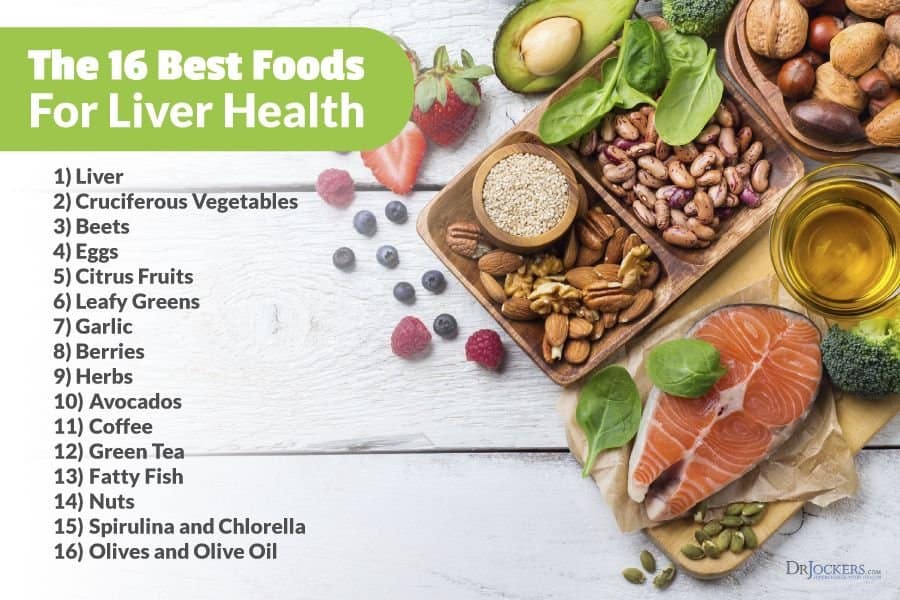
Fuel your liver with nutrient-rich foods that support detox and reduce inflammation.

Best options include:

  • Leafy greens (spinach, kale)
  • Garlic & onions (rich in sulfur compounds)
  • Turmeric (natural anti-inflammatory)
  • Avocados (healthy fats and glutathione booster)
  • Green tea (antioxidant-rich)

Cut Down on Processed and Fried Foods

Why it matters: High-fat, high-sugar junk food causes fat buildup in the liver (NAFLD – Non-Alcoholic Fatty Liver Disease).

Tip:

  • Say no to chips, burgers, sugary cereals, and instant noodles.
  • Cook at home with olive oil or mustard oil in moderation.

Avoid Excess Sugar and Fructose

Why it matters: Too much sugar gets converted to fat in the liver, promoting fatty liver disease.

Tip:

  • Avoid sugary drinks (colas, packaged juices).
  • Read labels for “hidden sugars” (fructose, corn syrup, dextrose).

Eat Lean Proteins and Fiber-Rich Foods

A healthy liver needs quality protein and fiber to function properly.

Eat more:

  • Lentils, beans, and tofu
  • Fish, chicken (grilled or baked)
  • Whole grains like oats, brown rice, and quinoa

Limit or Avoid Alcohol

Why it matters: Alcohol is a major cause of liver inflammation and damage.

Tip:

  • If you drink, do so rarely and in moderation.
  • For those with liver conditions, avoid alcohol completely.

Stay Hydrated

Water helps flush out toxins and keeps liver enzymes functioning properly.

Tip:

  • Aim for 7–8 glasses of water a day.
  • Add lemon or cucumber slices for detox support.

Maintain a Healthy Weight

Obesity is closely linked to fatty liver disease.

Tip:

  • Combine diet with light physical activity like walking or yoga.
  • Avoid crash dieting; aim for gradual, healthy weight loss.

Leave a Reply

Your email address will not be published. Required fields are marked *

Related Post

आपका स्वास्थ्य, आपकी प्राथमिकता: अप्रैल 2025 में स्वास्थ्य के नए आयाम

परिचय:

आज की तेज़ रफ़्तार ज़िंदगी में स्वास्थ्य का ध्यान रखना पहले से कहीं ज़्यादा महत्वपूर्ण हो गया है। बदलती जीवनशैली, मौसम में बदलाव और नई बीमारियों के चलते अब स्वास्थ्य जागरूकता और सतर्कता अत्यावश्यक हो गई है। अप्रैल 2025 में स्वास्थ्य से जुड़े कुछ नये ट्रेंड और सुझावों के बारे में जानिए इस ब्लॉग में।

अप्रैल 2025 के प्रमुख स्वास्थ्य ट्रेंड्स:

डिजिटल हेल्थ चेकअप: अब लोग घर बैठे मोबाइल एप्स और स्मार्ट वियरेबल्स के ज़रिए अपनी स्वास्थ्य रिपोर्ट ट्रैक कर रहे हैं।

इम्युनिटी बूस्टर पर ज़ोर: कोरोना महामारी के बाद अब भी लोग आयुर्वेदिक काढ़ा, विटामिन सप्लीमेंट्स और प्रोबायोटिक्स का नियमित सेवन कर रहे हैं।

मेंटल हेल्थ अवेयरनेस: मानसिक स्वास्थ्य को लेकर पहले से कहीं ज़्यादा जागरूकता बढ़ी है। योग, मेडिटेशन और ऑनलाइन काउंसलिंग का प्रचलन तेजी से बढ़ा है।

2. इस समय ध्यान देने योग्य प्रमुख स्वास्थ्य समस्याएँ:

  • एलर्जी और वायरल संक्रमण: अप्रैल-मई का मौसम बदलाव संक्रमण और एलर्जी के लिए संवेदनशील है।
  • डायबिटीज़ और ब्लड प्रेशर: खराब खानपान और तनाव के चलते युवाओं में भी ये समस्याएँ बढ़ रही हैं।
  • हृदय रोग: अनियमित दिनचर्या और मोटापा हृदय रोगों के प्रमुख कारण बन रहे हैं।

स्वास्थ्य बनाए रखने के लिए आजमाए ये उपाय:

संतुलित आहार लें: हरी सब्ज़ियाँ, मौसमी फल, साबुत अनाज और पर्याप्त पानी का सेवन करें।

नियमित व्यायाम करें: सप्ताह में कम से कम 5 दिन, रोजाना 30 मिनट तेज़ चलना या हल्का व्यायाम करें।

नींद पूरी करें: 7-8 घंटे की गहरी नींद लेना ज़रूरी है।

तनाव कम करें: ध्यान (Meditation), गहरी सांसों के व्यायाम और समय-समय पर ब्रेक लेना मददगार है।

नियमित हेल्थ चेकअप कराएं: साल में कम से कम एक बार स्वास्थ्य परीक्षण ज़रूर कराएं।

अप्रैल 2025 के नए हेल्थ टिप्स:

स्मार्ट वियरेबल्स का उपयोग करें (जैसे स्मार्टवॉच से हार्ट रेट और स्टेप्स ट्रैक करना)।

फास्ट फूड कम करें, घर का बना ताजा भोजन प्राथमिकता दें।

सूरज की रोशनी का लाभ उठाएं: विटामिन D के लिए रोज़ाना कुछ समय धूप में बिताना आवश्यक है।

ब्लू लाइट से बचें: मोबाइल और लैपटॉप से निकलने वाली ब्लू लाइट से आंखों को बचाएं, खासकर रात में।

निष्कर्ष:

अप्रैल 2025 में स्वास्थ्य के क्षेत्र में जागरूकता और टेक्नोलॉजी के मेल से नए अवसर पैदा हुए हैं। लेकिन सबसे जरूरी है – स्वयं की देखभाल। याद रखें, छोटी-छोटी आदतें ही लंबे जीवन और अच्छी सेहत की कुंजी हैं।
स्वस्थ रहें, खुश रहें!

Integrating with the Ayushman Bharat Digital Mission (ABDM)

involves three key modules—M1, M2, and M3—each facilitating a specific aspect of digital health infrastructure. Below is a step-by-step guide to integrating these modules:

What is ABDM ?

The Ayushman Bharat Digital Mission (ABDM) is a flagship initiative by the Government of India aimed at creating a comprehensive digital health ecosystem. Launched on 27th September 2021, ABDM seeks to establish a robust digital infrastructure that connects patients, healthcare providers, and institutions across the country.

Key Objectives of ABDM

  • Universal Health Coverage: Facilitating equitable access to quality healthcare services for all citizens.
  • Integrated Digital Health Infrastructure: Developing a backbone to support the seamless exchange of health information across stakeholders.National Health Authority
  • Empowered Citizens: Providing individuals with control over their health data, ensuring informed decision-making.
  • Enhanced Efficiency and Transparency: Streamlining healthcare delivery processes to improve service quality and accountability.
  • Core Components of ABDM
  • ABHA (Ayushman Bharat Health Account):
    • A unique 14-digit health ID assigned to individuals, enabling them to access and share their digital health records securely.
  • Healthcare Professionals Registry (HPR):
  • Health Facility Registry (HFR):
  • Health Information Exchange and Consent Manager (HIE-CM):
    • A system that facilitates the secure exchange of health information based on patient consent.
  • Unified Health Interface (UHI):
    • A digital platform that enables seamless interaction between patients and healthcare providers.
  • National Health Claims Exchange (NHCX):

1.1 Step 1: How to Register Healthcare Professionals (M1)

1.2 Step 2: How to Register Healthcare Facilities (M2)

1.3 Step 3: How to Link and Share Health Data (M3)

1.4 Final Steps After Integration

1.5 Why Integrate with ABDM?

India’s healthcare system is going digital with the Ayushman Bharat Digital Mission (ABDM). It’s revolutionizing the healthcare landscape by making things easier for hospitals, doctors, and patients by connecting everyone on one platform. This guide will give step by step idea of ABDM integration using three core modules of ABDM – M1, M2, and M3 in simple terms. By the end, you’ll have a clear understanding of how to register healthcare professionals, facilities, and securely share health records. 

What is ABDM?

The Ayushman Bharat Digital Mission (ABDM) is a government initiative aimed at digitizing India’s healthcare system. Its primary goal is to create a digital healthcare ecosystem that makes medical services more accessible and efficient. Through ABDM, a digital database of doctors and hospitals is created, and it ensures that health records are shared securely with the patient’s consent. By standardizing healthcare processes across the country, ABDM helps improve the quality of care and simplify the healthcare journey for both providers and patients.

Step 1: How to Register Healthcare Professionals (M1)

What is M1?

The M1 module is designed to register healthcare professionals like doctors, nurses, and other medical staff in a national database known as the Healthcare Professionals Registry (HPR). This module ensures that only qualified and verified professionals are part of the system.

Steps to Register:

1. Learn How It Works: Go through the M1 API documentation to fully understand the registration process.
2. Secure Access: Use a secure login method called OAuth 2.0 to connect to the system. You’ll receive login details such as the Client ID and Secret when you sign up on ABDM’s sandbox platform.

3. Submit Professional Details: Provide essential information such as name, qualifications, and license number. This can be done through the provided platform or API.

4. Get HPR ID: After successfully registering, each professional receives a unique HPR ID, which serves as their digital identity.

5. Test It Out: Utilize the sandbox (a testing platform) to ensure that the registration process runs smoothly.

The M1 module is a key step in ensuring that healthcare providers are registered efficiently and their credentials are easily accessible in a secure, national system.

Step 2: How to Register Healthcare Facilities (M2)

To register a healthcare facility under Module 2 (M2), follow the steps below:

1. Log in to the M2 Portal

1.1 Navigate to the M2 Registration Portal.

1.2 Use your authorized admin credentials to log in.

2.Access the Facility Registration Section

2.1 From the dashboard, go to “Facility Management” or “Register Facility”.

2.2 Click on “New Registration” to begin.

3. Enter Facility Details

Fill in the following required information:

3.1 Facility Name

3.2 Type of Facility (e.g., Hospital, Clinic, Diagnostic Center)
3.3 Facility Address (including city, state, and postal code)
3.4 Contact Information (email, phone number)
3.5 Ownership Type (Private/Government/NGO)
3.6 Facility License Number (if applicable)

4. Upload Required Documents

Upload scanned copies or PDFs of:

4.1 Facility license/registration certificate
4.2 Accreditation documents (if any)
4.3 Proof of address
4.4 Any other required approvals (as specified on the form)

5. Add Key Personnel

Enter details for key staff, such as:

5.1 Medical Superintendent or Director

5.2 Contact details and qualifications

5.3 Medical Council Registration Numbers (if required)

6. Submit and Await Verification

6.1 Review all details carefully before submitting.
6.2 Click “Submit for Approval”.
6.3 You will receive an acknowledgment and a tracking number.

7. Post-Submission

7.1 The verification team will review the application.

7.2 If approved, you will receive a confirmation email with your Facility Registration ID.

7.3 If rejected or returned for correction, edit and resubmit as guided.

Step 3: How to Link and Share Health Data (M3)

After registering your healthcare facility (M2), the next step is to link and share health data as part of Module 3 (M3). This ensures patient records, lab results, and visit histories are accessible across the national digital health ecosystem.

1. Log in to the M3 Data Sharing Portal

1.2 Log in to the M3 Data Sharing Portal

1.3 Use your facility’s credentials issued during M2 registration.

2 . Access the Data Integration Settings

2.1 Navigate to the “Data Sharing” or “API Integration” section.

2.2 Choose your preferred mode of integration:

Manual Data Entry

CSV Upload

API-Based Integration (recommended for EMR/HMIS users)

3. Configure Facility APIs (for Automated Sharing)

If you’re using hospital/clinic software:

3.1 Retrieve your Facility API Key and Endpoint URLs.
3.2 Provide this information to your IT team or vendor.
3.3 Ensure your system maps data to standardized formats (e.g., HL7 FHIR).

4. Link Patient Records

To ensure seamless patient health record updates:

4.1 Use patient’s ABHA (Health ID) while creating or updating records.

4.2 Ensure ABHA is linked to each visit or medical document (lab results, prescriptions, etc.)

5. Share Health Data Securely
Depending on your integration mode:

5.1 Manual Mode: Enter/update records directly in the portal.
5.2 CSV Upload: Follow the format guide, validate the file, and upload.
5.3 API Mode: Your system will push data automatically.
Health data shared may include:

ePrescriptions

Lab test results

Outpatient/inpatient visits

Discharge summaries

6. Consent Management

  • Data sharing is consent-based.
  • Patients must approve data access via the ABDM Consent Manager.
  • You’ll receive notifications when consent is granted, and access logs will be maintained.

7. Monitor Data Sharing Logs

  • Use the “Audit Logs” tab to review what data was shared, with whom, and when.
  • Monitor for errors or incomplete transmissions.

Final Steps After Integration

Once your healthcare facility is integrated and health data sharing is enabled through Module 3 (M3), follow these final steps to ensure smooth operations, compliance, and data quality.

1. Perform a Test Data Submission

  • Conduct a test upload or API push to verify successful data transmission.
  • Check if data appears correctly in the recipient system or national health exchange.
  • Validate:
    • Patient ABHA linkage
    • Accurate timestamps
    • Clinical terminology (e.g., SNOMED, LOINC)

2. Train Your Staff

  • Train front desk, lab, and clinical teams to:
    • Capture ABHA (Health ID) from patients
    • Obtain consent when required
    • Use the new integrated flow for entering or syncing health data
  • Provide quick guides or cheat sheets at each workstation.

3. Monitor Dashboard & Logs

  • Regularly check:
    • Submission status logs
    • Error reports
    • Consent history
  • Look for failed uploads, missing ABHA data, or schema mismatches.

4. Ensure Patient Consent Is Handled Properly

  • Integrate the ABDM Consent Flow if not already done.
  • Ensure staff:
    • Know how to initiate a consent request
    • Understand when consent is mandatory (e.g., data sharing with external providers)

5. Maintain Data Quality & Standards

  • Periodically review shared data to ensure:
    • Correct use of medical codes (ICD-10, LOINC, SNOMED)
    • No missing mandatory fields
    • Dates and identifiers are formatted properly

6. Stay Updated on Guidelines

  • Follow updates from NDHM/ABDM regarding:
    • New data standards
    • Integration requirements
    • Security compliance mandates

Subscribe to official communications or developer updates to stay current.

Why Integrate with ABDM?

(Ayushman Bharat Digital Mission)

Integration with the ABDM transforms how healthcare is delivered, recorded, and accessed in India. Here’s why it’s important for healthcare providers:

1. Seamless Digital Health Ecosystem

  • Connects hospitals, clinics, labs, pharmacies, and insurers into one unified network.
  • Enables instant access to health records—anytime, anywhere—with patient consent.

2. Empower Patients with ABHA

  • ABHA (Ayushman Bharat Health Account) gives each patient a unique Health ID.
  • Integration lets patients view their medical history digitally across facilities.
  • Boosts transparency and ownership of health data.

3. Better Clinical Decisions

  • Providers can access a patient’s medical history (lab results, prescriptions, diagnoses).
  • Reduces duplication of tests and medication errors.
  • Enables continuity of care across locations and doctors.

4. Efficient Workflows & Record-Keeping

  • Automates data entry via APIs or EMR systems.
  • Reduces paperwork and manual errors.
  • Simplifies audits, claims, and reporting.

5. Strengthens Trust and Credibility

  • Being “Live on ABDM” signals that your facility meets national data standards.
  • Enhances institutional reputation among patients, insurers, and government programs.

6. Enables Digital Public Health Initiatives

  • Shared data can help track health trends (e.g., disease outbreaks, vaccination coverage).
  • Supports data-driven policymaking and targeted health interventions.

7. Unlocks Access to New Opportunities

  • Eligible for public schemes (e.g., Ayushman Bharat PM-JAY).
  • Enables integration with telemedicine, insurance claim platforms, and digital therapeutics.
  • Positions your facility for future innovations like health registries and AI tools.

8. Mandatory for Future Compliance

  • Gradually becoming mandatory for empanelment, digital services, and government schemes.
  • Early integration helps you stay ahead of regulatory requirements.

Best Tips for Stomach Health | Daily Gut Care Made Easy

Your stomach is more than just a food processor — it’s your body’s engine of energy, immunity, and mood. If your gut is healthy, you feel lighter, more focused, and more energetic. But with modern diets and busy routines, issues like bloating, acidity, gas, and constipation have become common.

Here are the best science-backed and natural tips to keep your stomach healthy every day.

Start Your Day with Warm Water

Drinking warm water on an empty stomach helps:

  • Flush out toxins
  • Stimulate digestion
  • Relieve constipation

Add lemon or honey for an extra detox boost.

Eat More Fiber

A high-fiber diet is key to smooth digestion.

  • Include fruits (like papaya, banana)
  • Eat leafy vegetables, oats, and whole grains
  • Fiber keeps your bowel movements regular

👉 Aim for 25–30g fiber per day.

Chew Your Food Properly

Digestion starts in your mouth.

  • Chew each bite 20–30 times
  • Avoid eating in a hurry
  • Helps reduce gas and bloating
  • Stay Hydrated
  • Water keeps your digestive system running smoothly.
  • Drink 2–3 liters of water daily
  • Avoid too much water right after meals
  • Coconut water and fennel water aid digestion
  • Add Probiotics to Your Diet
  • Probiotics = good gut bacteria.
    Eat curd (yogurt), buttermilk, pickles, kefir
    Improves digestion and immunity
    Especially useful after antibiotics
  • Avoid Overeating
  • Too much food = overloaded stomach.
  • Eat small, frequent meals
  • Stop when you’re 80% full
  • Overeating leads to indigestion and acid reflux
  • Avoid Junk, Spicy, and Oily Food
  • These can irritate your stomach lining and cause gas or acidity.
    Limit fast food
    Avoid heavy meals at night
    Say no to carbonated drinks

    Practice Light Exercise or Yoga
    Movement boosts digestion.
    Try:
    Vajrasana after meals
    Pawanmuktasana (wind-relieving pose)
    A 15-minute walk after dinner

    Don’t Skip Meals
    Skipping meals can lead to:
    Excess acid production
    Gastric irritation
    Overeating later
    Eat on time to keep your stomach happy.

    Manage Stress
    Did you know stress affects digestion?
    Practice meditation, deep breathing, or journaling
    Reduce caffeine and screen time
    A relaxed mind = a healthier gut

    Common Gut Mistakes to Avoid
    Habit
    Problem it Causes
    Eating too fast
    Gas, bloating, indigestion
    Too much coffee/tea
    Acidity, dehydration
    Late-night heavy meals
    Poor sleep, acid reflux
    Ignoring urge to poop
    Constipation, discomfort


    Bonus: Best Yoga Poses for Stomach Health
    Vajrasana
    – sit in it after meals
    Trikonasana – improves gut circulation
    Child’s Pose (Balasana) – soothes cramps
    Wind-relieving Pose (Pawanmuktasana) – relieves gas

    Home Remedies for a Healthy Stomach
    Ajwain + Salt
    – relieves gas and bloating
    Fennel (saunf) water – aids digestion
    Banana + curd – cures mild diarrhea
    Jeera (cumin) tea – great for acidity