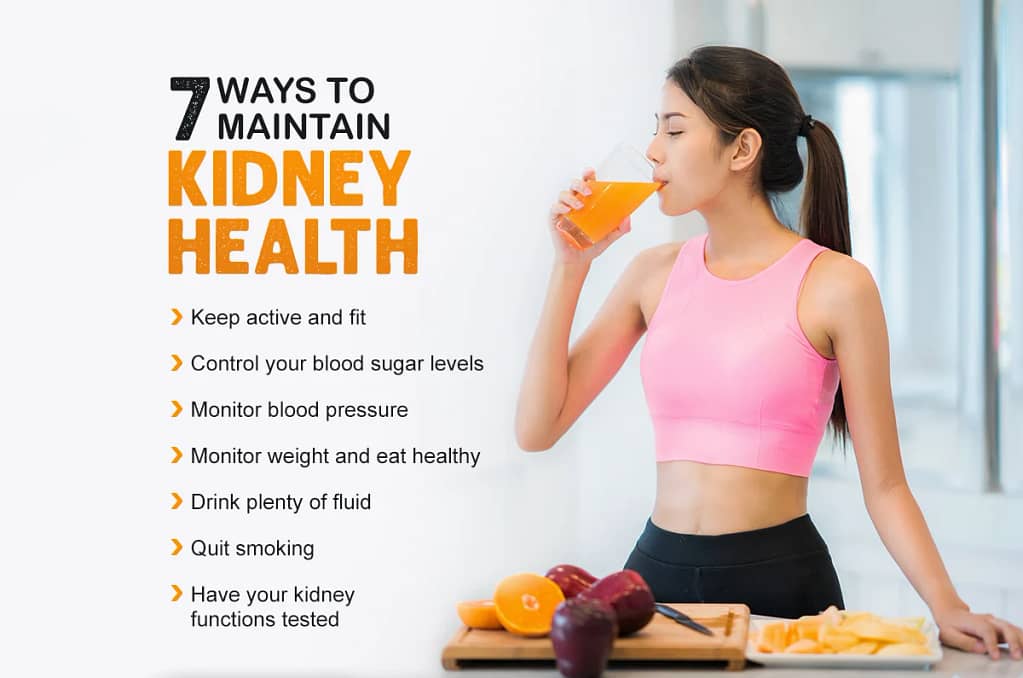
Kidney Health Tips: Maintain a Balanced Diet for Stronger Kidneys

Control Your Salt Intake

Why it matters: Too much sodium increases blood pressure, which can damage kidneys over time.

Tip:

  • Limit processed foods and snacks (chips, instant noodles, pickles).
  • Avoid adding extra table salt.
  • Use herbs and spices (like turmeric, basil, or cumin) instead of salt for flavor.

Stay Hydrated – But Don’t Overdo It

Why it matters: Proper hydration helps your kidneys clear toxins, but excessive water can stress them.

Tip:

  • Drink 6–8 glasses of water a day unless advised otherwise by your doctor.
  • Cut back on sugary sodas and energy drinks.

Eat the Right Proteins

Why it matters: Your body needs protein, but too much can overload your kidneys.

Tip:

  • Choose lean protein like fish, egg whites, tofu, or legumes.
  • Limit red meat and full-fat dairy if you have existing kidney concerns.

Monitor Potassium and Phosphorus

Why it matters: Imbalance of these minerals can harm kidney function, especially in CKD patients.

Tip:

  • Avoid high-potassium foods like bananas, oranges, potatoes if your doctor advises.
  • Reduce intake of phosphorus-rich processed foods (like colas and packaged meats).

Eat More Kidney-Friendly Foods

Good choices include:

  • Cabbage
  • Cauliflower
  • Apples
  • Blueberries
  • Garlic
  • Red grapes
    These foods are low in sodium and packed with antioxidants and vitamins.

Say No to Smoking and Alcohol

Both habits reduce kidney function and increase your risk of high blood pressure and diabetes—top causes of kidney disease.

Watch Your Portions and Weight

Why it matters: Obesity increases the risk of diabetes and high BP, which are major causes of kidney failure.

Tip:

  • Choose small, balanced meals.
  • Follow a meal plan if you’re managing diabetes or hypertension.
Leave a Reply

Your email address will not be published. Required fields are marked *

Related Post

Liver Health Tips Balanced Diet Guide for a Healthy Liver

Your liver is one of the hardest-working organs in your body — constantly filtering toxins, breaking down fats, processing medications, and storing essential nutrients like vitamins and iron. Despite its crucial role, the liver often suffers in silence until problems become serious.

Unhealthy eating habits, excessive alcohol, and sedentary lifestyles can lead to liver conditions such as fatty liver disease, hepatitis, or even cirrhosis. But here’s the good news:

A balanced, liver-friendly diet not only protects your liver — it can restore its function and reduce inflammation over time.

In this post, Medi4U.in brings you expert-backed dietary tips to nourish your liver naturally and keep it functioning at its best.

Choose Liver-Friendly Foods

Fuel your liver with nutrient-rich foods that support detox and reduce inflammation.

Best options include:

  • Leafy greens (spinach, kale)
  • Garlic & onions (rich in sulfur compounds)
  • Turmeric (natural anti-inflammatory)
  • Avocados (healthy fats and glutathione booster)
  • Green tea (antioxidant-rich)

Cut Down on Processed and Fried Foods

Why it matters: High-fat, high-sugar junk food causes fat buildup in the liver (NAFLD – Non-Alcoholic Fatty Liver Disease).

Tip:

  • Say no to chips, burgers, sugary cereals, and instant noodles.
  • Cook at home with olive oil or mustard oil in moderation.

Avoid Excess Sugar and Fructose

Why it matters: Too much sugar gets converted to fat in the liver, promoting fatty liver disease.

Tip:

  • Avoid sugary drinks (colas, packaged juices).
  • Read labels for “hidden sugars” (fructose, corn syrup, dextrose).

Eat Lean Proteins and Fiber-Rich Foods

A healthy liver needs quality protein and fiber to function properly.

Eat more:

  • Lentils, beans, and tofu
  • Fish, chicken (grilled or baked)
  • Whole grains like oats, brown rice, and quinoa

Limit or Avoid Alcohol

Why it matters: Alcohol is a major cause of liver inflammation and damage.

Tip:

  • If you drink, do so rarely and in moderation.
  • For those with liver conditions, avoid alcohol completely.

Stay Hydrated

Water helps flush out toxins and keeps liver enzymes functioning properly.

Tip:

  • Aim for 7–8 glasses of water a day.
  • Add lemon or cucumber slices for detox support.

Maintain a Healthy Weight

Obesity is closely linked to fatty liver disease.

Tip:

  • Combine diet with light physical activity like walking or yoga.
  • Avoid crash dieting; aim for gradual, healthy weight loss.

Best Tips for Stomach Health | Daily Gut Care Made Easy

Your stomach is more than just a food processor — it’s your body’s engine of energy, immunity, and mood. If your gut is healthy, you feel lighter, more focused, and more energetic. But with modern diets and busy routines, issues like bloating, acidity, gas, and constipation have become common.

Here are the best science-backed and natural tips to keep your stomach healthy every day.

Start Your Day with Warm Water

Drinking warm water on an empty stomach helps:

  • Flush out toxins
  • Stimulate digestion
  • Relieve constipation

Add lemon or honey for an extra detox boost.

Eat More Fiber

A high-fiber diet is key to smooth digestion.

  • Include fruits (like papaya, banana)
  • Eat leafy vegetables, oats, and whole grains
  • Fiber keeps your bowel movements regular

👉 Aim for 25–30g fiber per day.

Chew Your Food Properly

Digestion starts in your mouth.

  • Chew each bite 20–30 times
  • Avoid eating in a hurry
  • Helps reduce gas and bloating
  • Stay Hydrated
  • Water keeps your digestive system running smoothly.
  • Drink 2–3 liters of water daily
  • Avoid too much water right after meals
  • Coconut water and fennel water aid digestion
  • Add Probiotics to Your Diet
  • Probiotics = good gut bacteria.
    Eat curd (yogurt), buttermilk, pickles, kefir
    Improves digestion and immunity
    Especially useful after antibiotics
  • Avoid Overeating
  • Too much food = overloaded stomach.
  • Eat small, frequent meals
  • Stop when you’re 80% full
  • Overeating leads to indigestion and acid reflux
  • Avoid Junk, Spicy, and Oily Food
  • These can irritate your stomach lining and cause gas or acidity.
    Limit fast food
    Avoid heavy meals at night
    Say no to carbonated drinks

    Practice Light Exercise or Yoga
    Movement boosts digestion.
    Try:
    Vajrasana after meals
    Pawanmuktasana (wind-relieving pose)
    A 15-minute walk after dinner

    Don’t Skip Meals
    Skipping meals can lead to:
    Excess acid production
    Gastric irritation
    Overeating later
    Eat on time to keep your stomach happy.

    Manage Stress
    Did you know stress affects digestion?
    Practice meditation, deep breathing, or journaling
    Reduce caffeine and screen time
    A relaxed mind = a healthier gut

    Common Gut Mistakes to Avoid
    Habit
    Problem it Causes
    Eating too fast
    Gas, bloating, indigestion
    Too much coffee/tea
    Acidity, dehydration
    Late-night heavy meals
    Poor sleep, acid reflux
    Ignoring urge to poop
    Constipation, discomfort


    Bonus: Best Yoga Poses for Stomach Health
    Vajrasana
    – sit in it after meals
    Trikonasana – improves gut circulation
    Child’s Pose (Balasana) – soothes cramps
    Wind-relieving Pose (Pawanmuktasana) – relieves gas

    Home Remedies for a Healthy Stomach
    Ajwain + Salt
    – relieves gas and bloating
    Fennel (saunf) water – aids digestion
    Banana + curd – cures mild diarrhea
    Jeera (cumin) tea – great for acidity

🩸 Blood Test / Blood Health General Awareness Topics

 Blood Test / Blood Health General Awareness Topics

"Why Regular Blood Tests Are Important for Your Health""Top 10 Most Common Blood Tests and What They Reveal""How to Prepare for Your Next Blood Test: Do's and Don'ts"Condition-Specific Topics"Understanding Complete Blood Count (CBC): What Your Numbers Mean""Lipid Profile Test: Why Monitoring Your Cholesterol Matters""What Your Hemoglobin Levels Say About Your Health""Early Signs of Anemia and When to Get Tested"Preventive Care & Lifestyle"How Diet Affects Your Blood Test Results""5 Habits to Improve Your Blood Sugar Levels Naturally""The Role of Blood Tests in Preventive Healthcare"Technical & Diagnostic Topics"The Science Behind Blood Testing: How Labs Analyze Your Sample""Fasting vs. Non-Fasting Blood Tests: What's the Difference?""IHC (Immunohistochemistry) Tests: What You Need to Know"Seasonal & Trending"Essential Blood Tests to Get in 2025 for a Health Checkup""How Summer Dehydration Can Affect Your Blood Reports""Post-COVID Blood Tests: What You Should Monitor"Patient Journey / FAQs"First Time Getting a Blood Test? Here's What to Expect""How Long Does It Take to Get Blood Test Results?""Can Blood Tests Detect Vitamin Deficiencies? Explained!"Lab Services Promotion"Why Choose [Medi4u.in] for Accurate Blood Tests in [Delhi NCR]""Get Comprehensive Blood Tests at Affordable Prices – Book Now!"

Read More